25 January. Punta Arenas
We arrived at night in Punta Arenas, the gateway city to Antarctica. Travel fatigue mixed with the excitement of heading toward the absolute south. Our flight to King George Island was scheduled for Thursday, but Antarctic weather quickly asserted itself. Between Monday and Friday, no aircraft took off—strong winds, low cloud ceiling, and poor visibility. The airport became a suspended space of waiting: researchers from many countries, equipment, stories, and a great deal of patience. When a weather window finally opened, more than 20 delayed flights began to be reorganized. We departed Saturday morning.
Saturday. King George Island
Landing on the gravel runway in Antarctica was the moment when reality replaced anticipation: harsh light, cold wind, and the clear sense that we had entered a different rhythm of the world. The DAP landing zone—a remote logistical airstrip surrounded by volcanic terrain and ice—marks the first physical contact with the continent. From there, we were picked up by a Turkish vessel and transported by sea to King Sejong Station.
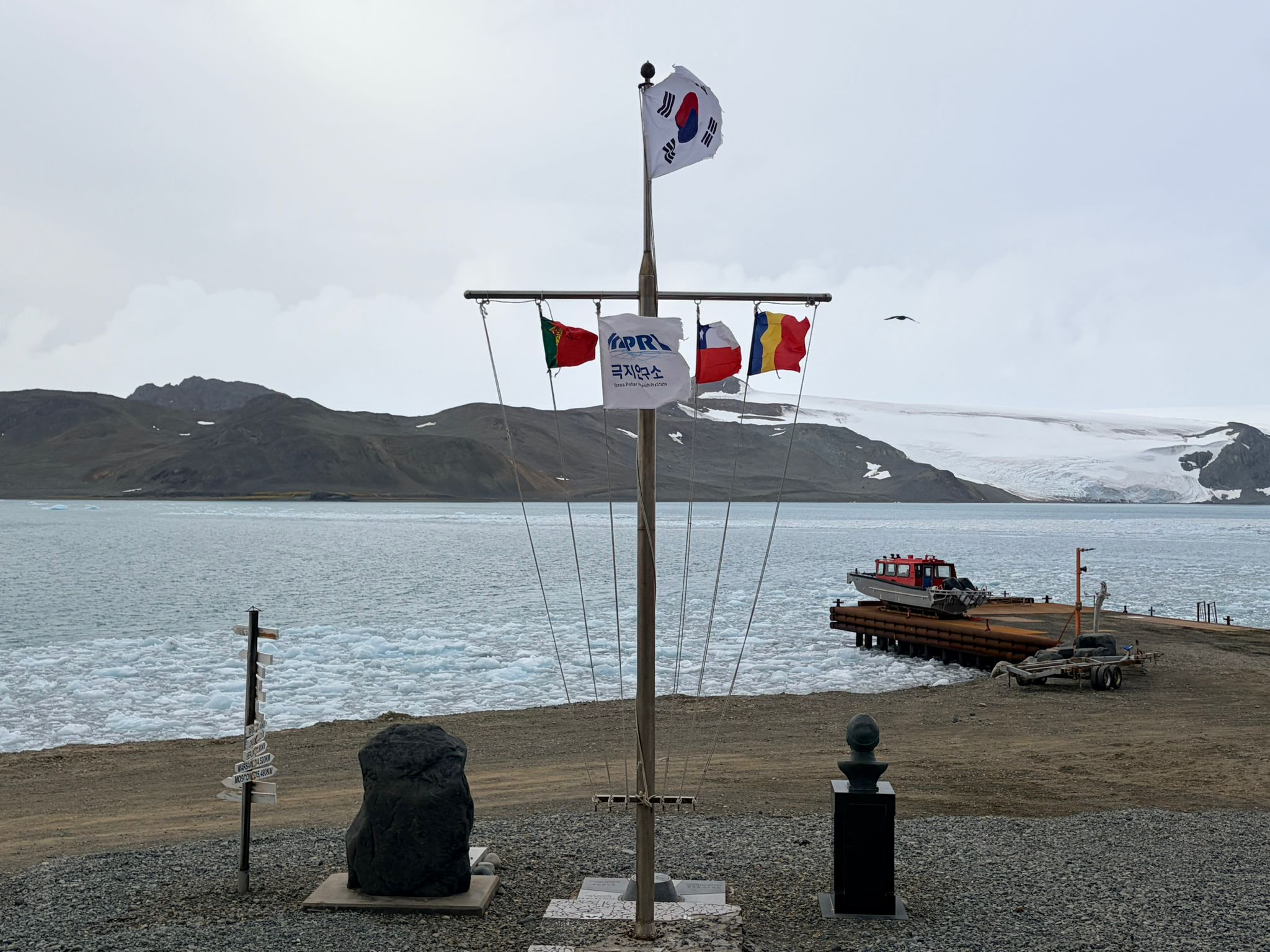
King Sejong Station
We were hosted alongside research teams from Turkey, Portugal, and Korea. The first days were a mixture of adaptation, logistical coordination, and field planning. The Antarctic rhythm is intense: everything moves quickly when the weather allows.
Fieldwork
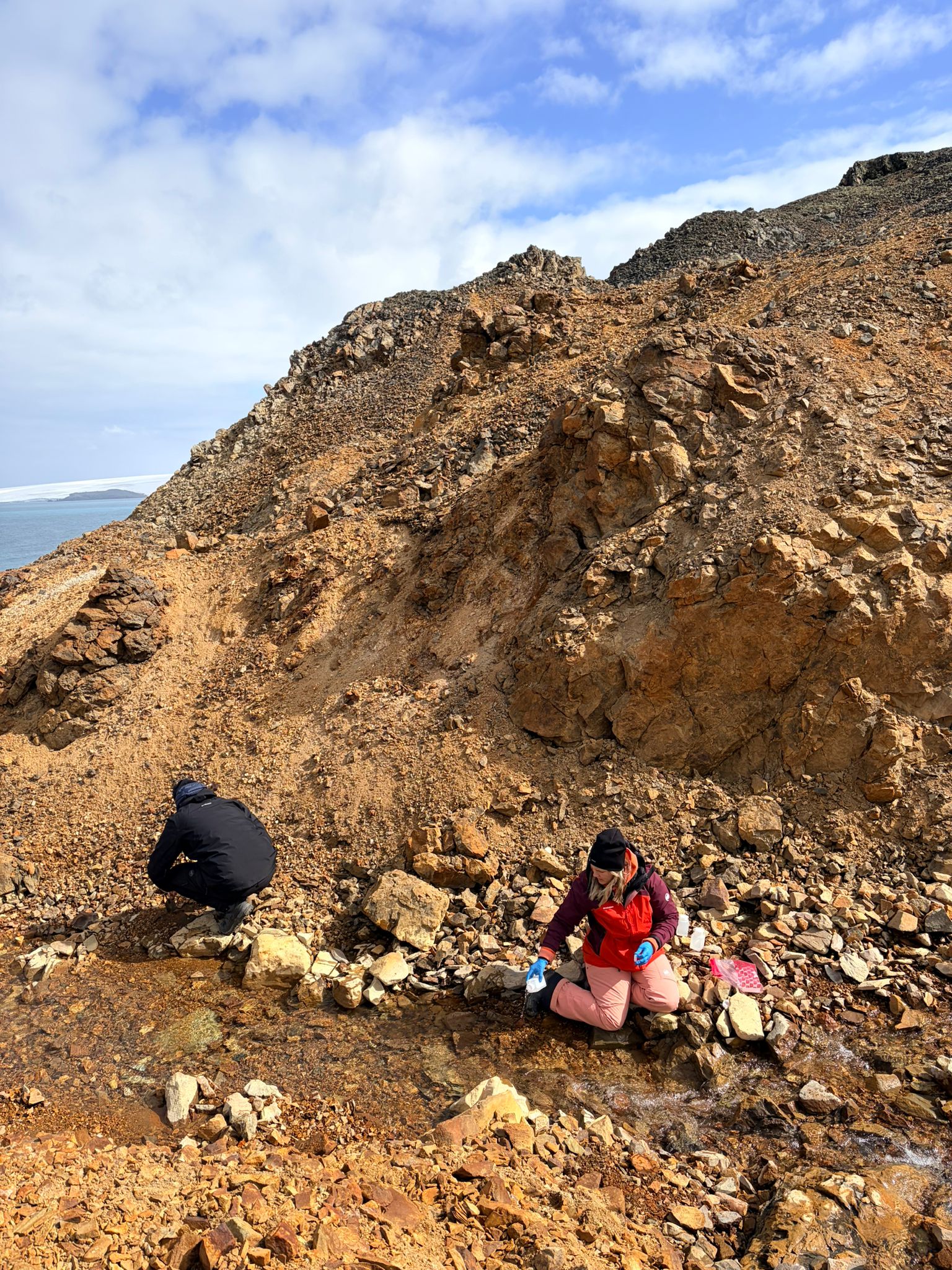
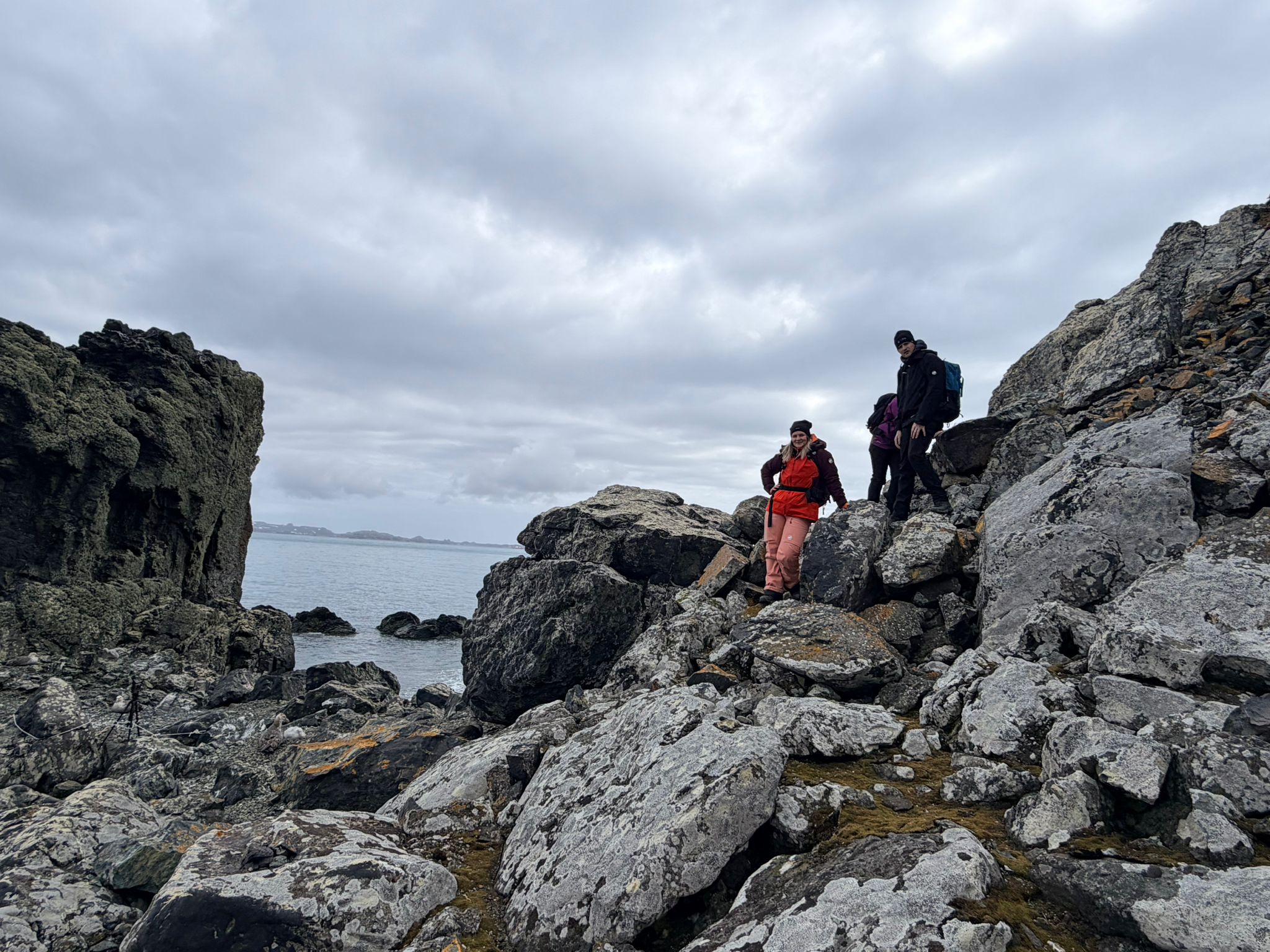
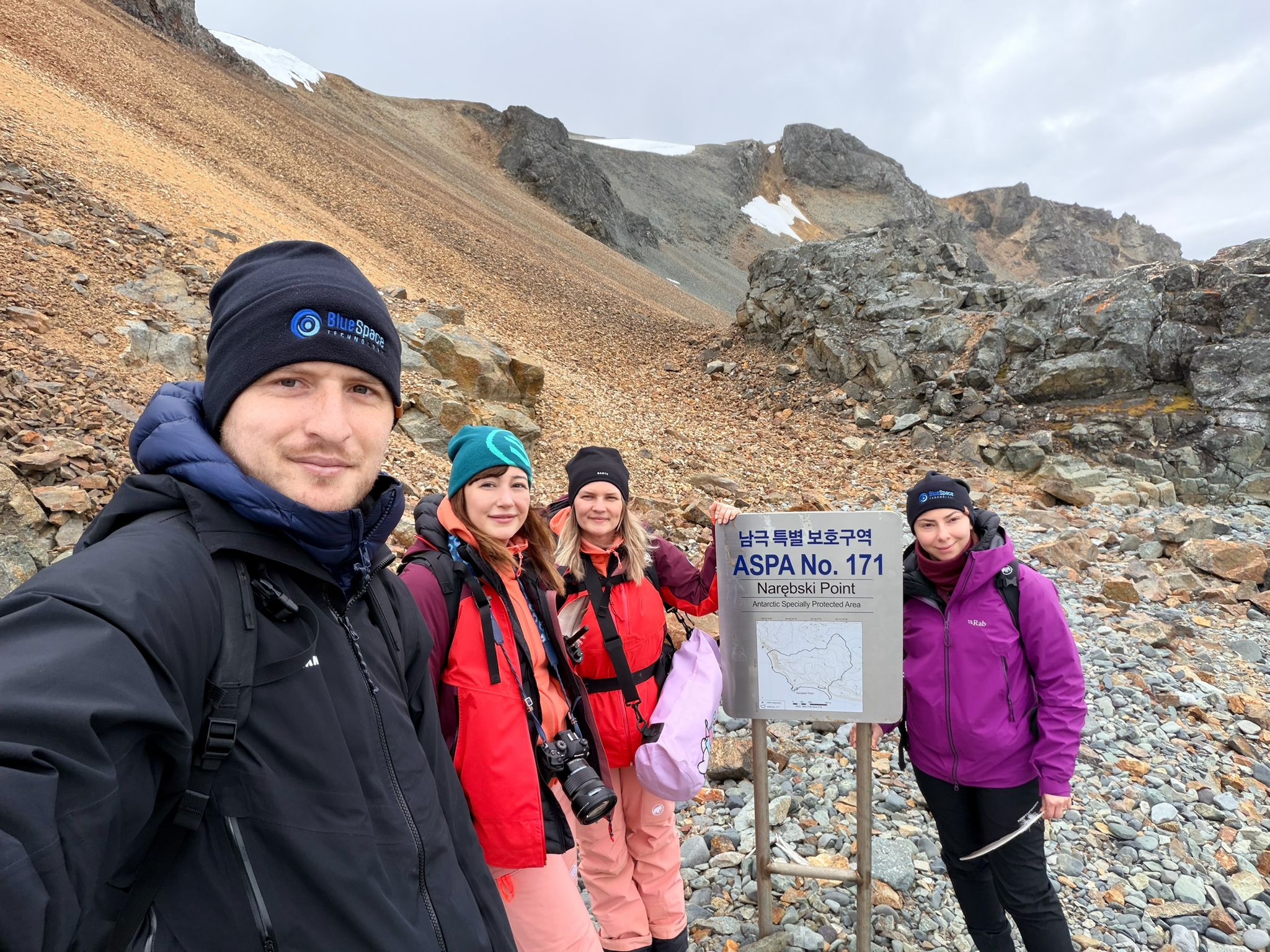
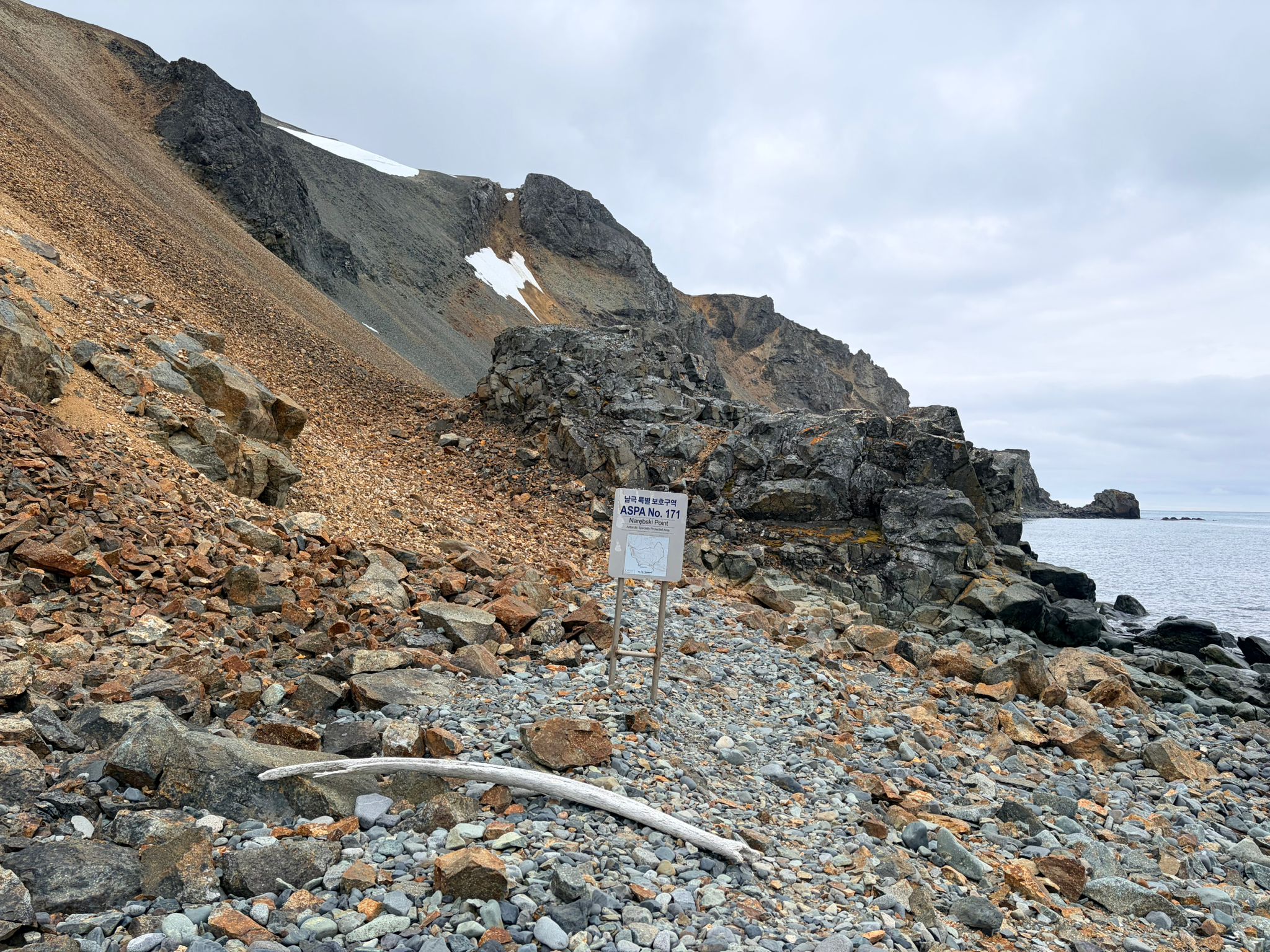
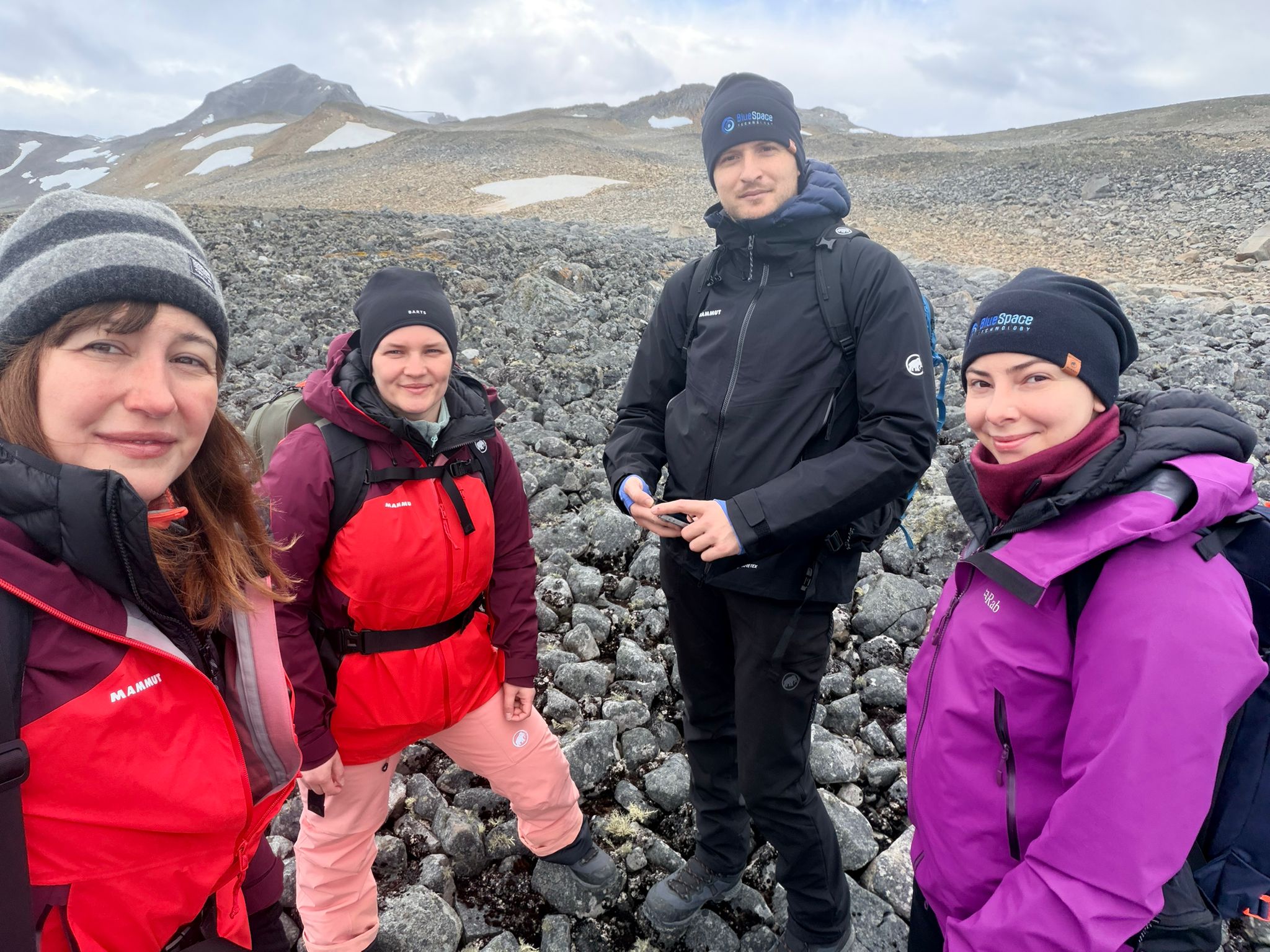
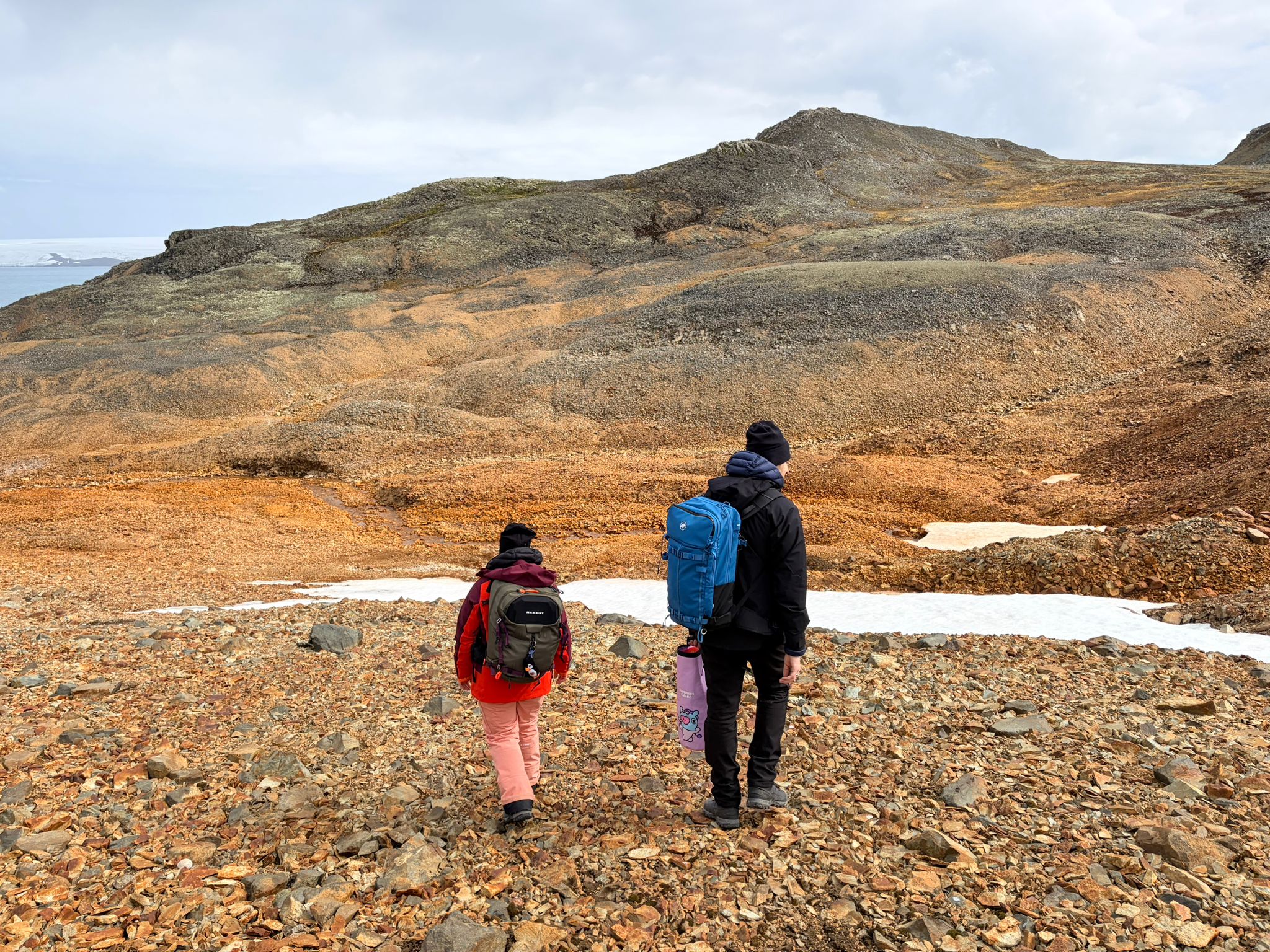
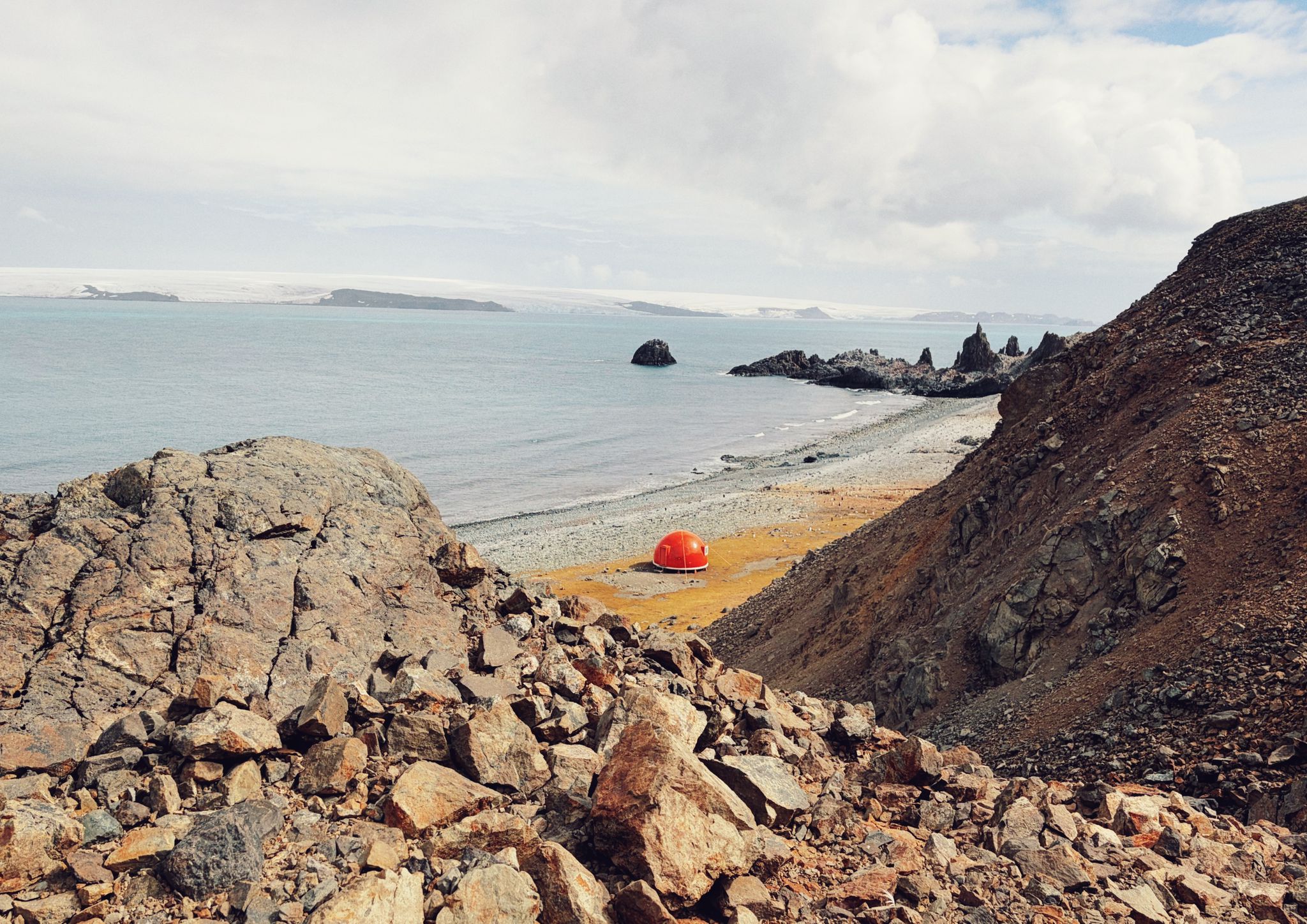
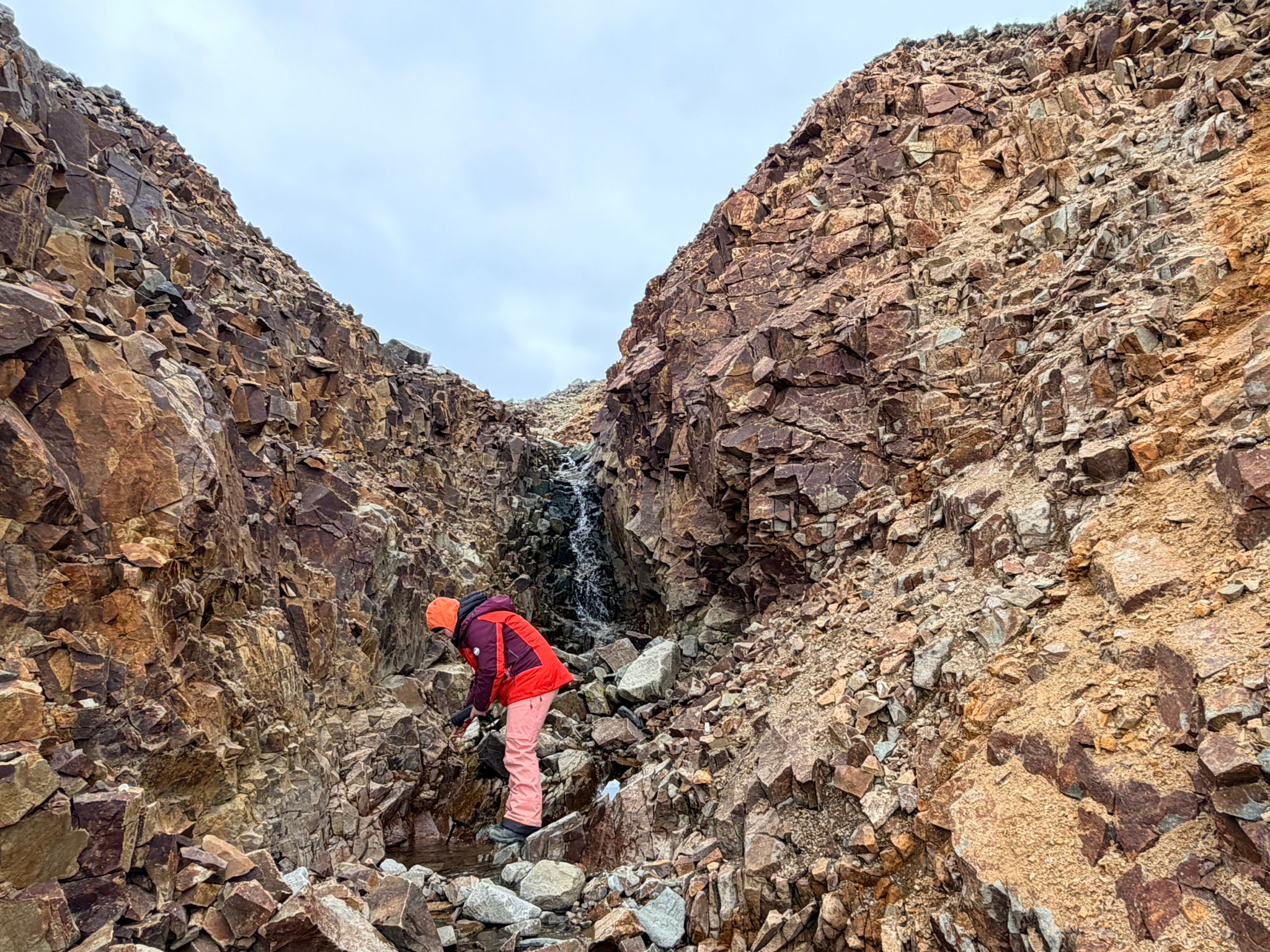
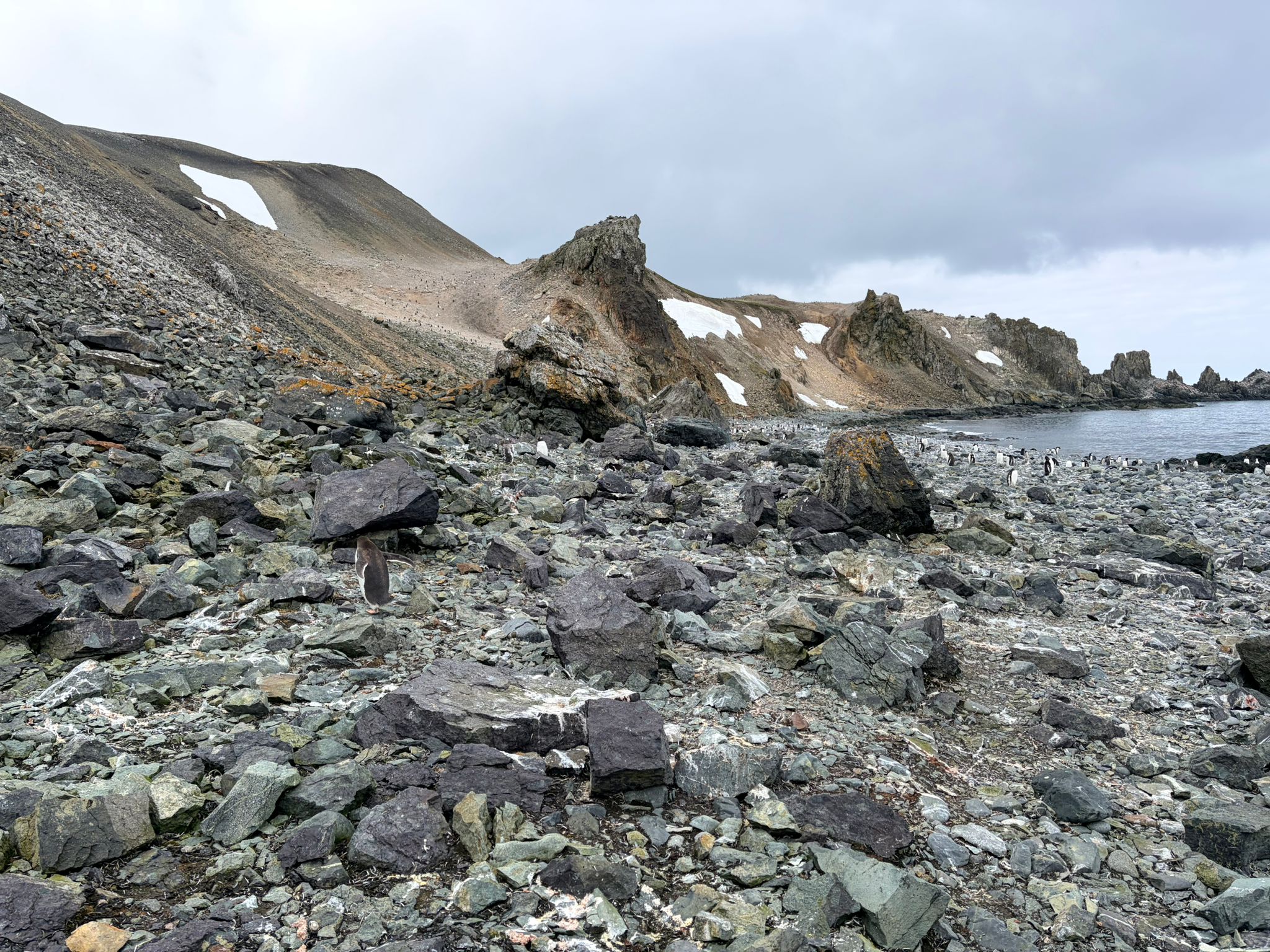
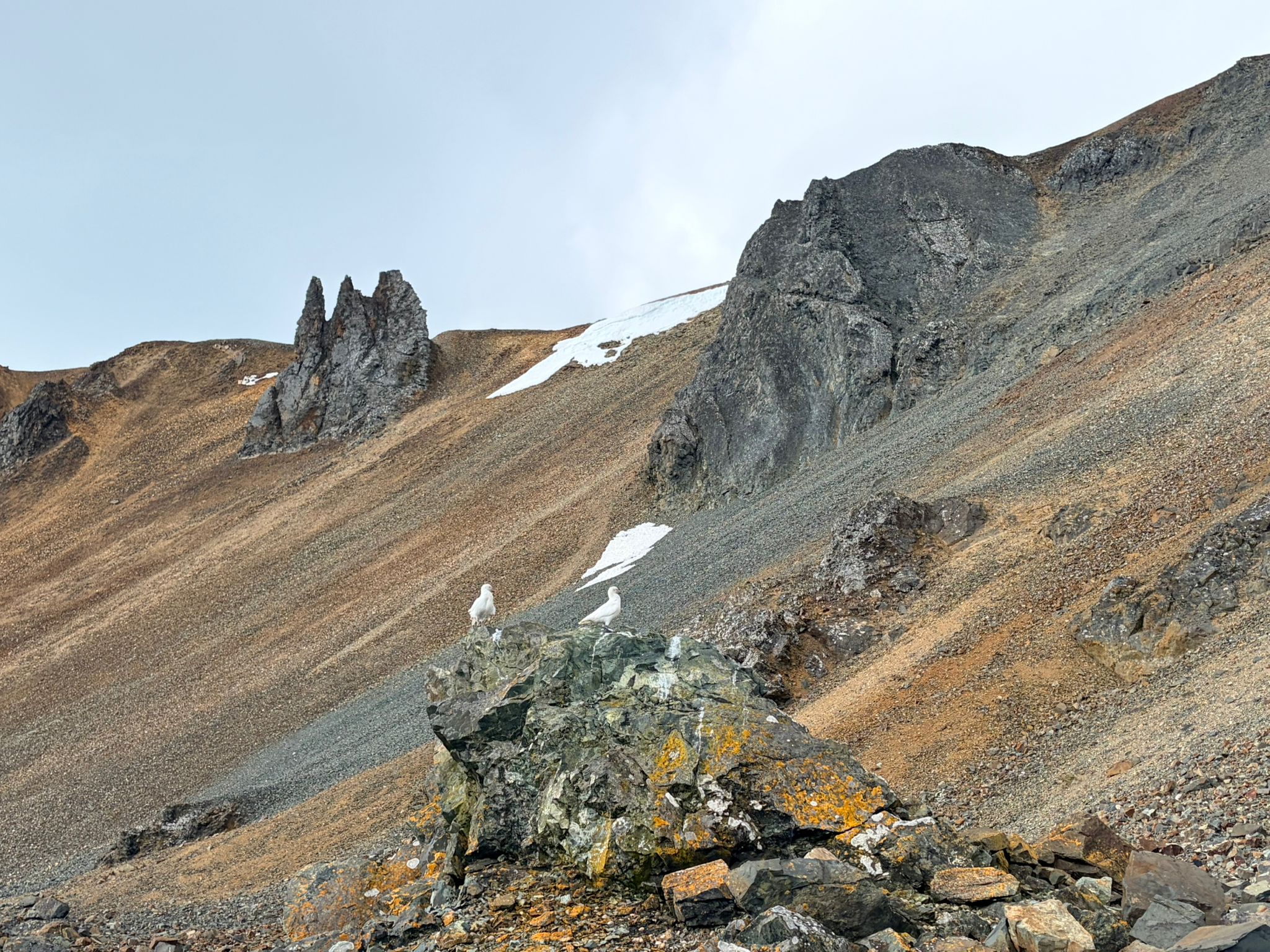
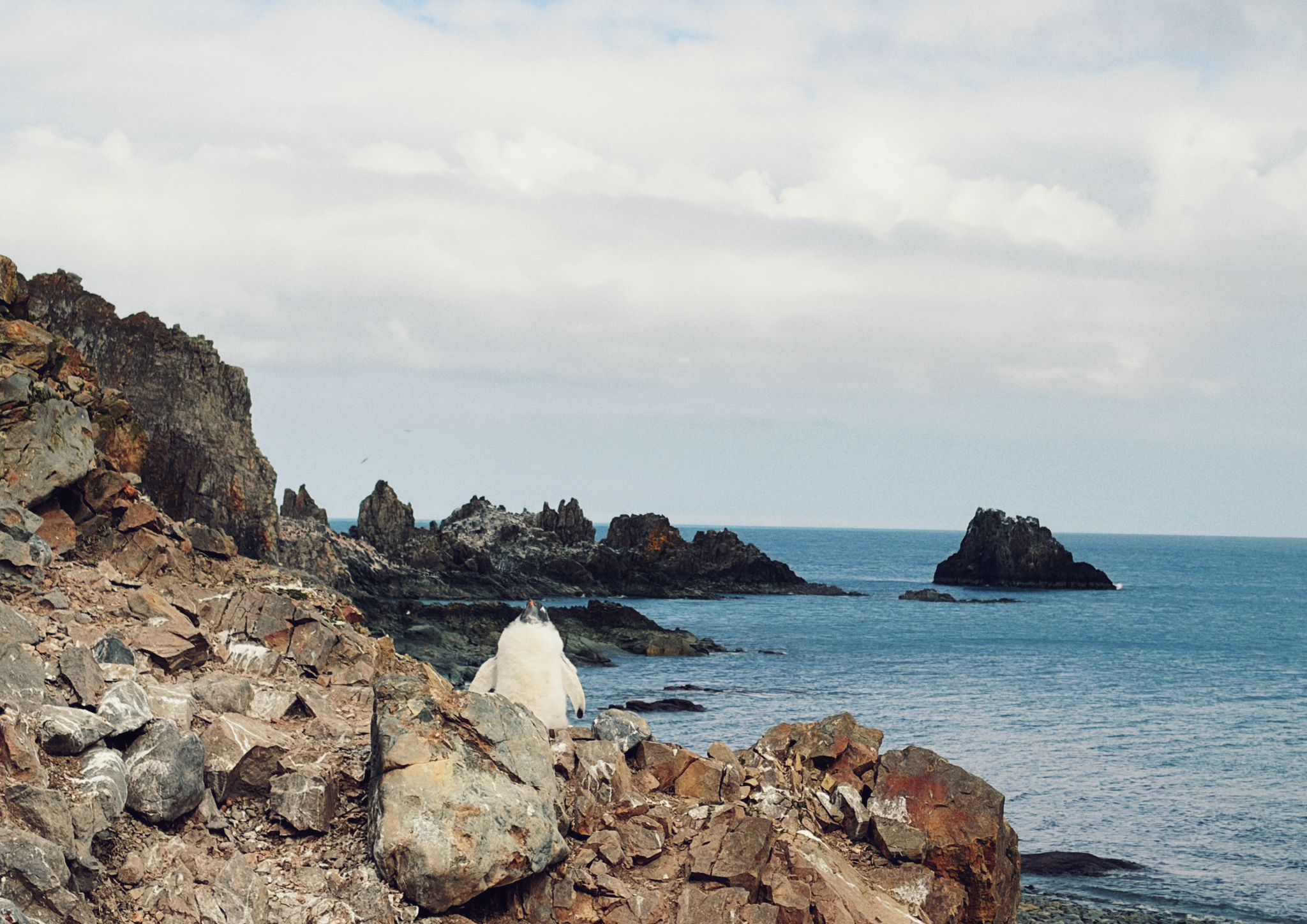
Every day we spent 5–6 hours in the field, in varied areas around the station: Sejong Hill, Araon Valley, Gaya Hill, Marian Cove, ASPA 171, Haeundae Beach, and Hwaseok Hill. The landscape alternates between volcanic rock, pockets of ice, wildlife colonies, and oceanic silences. We collected water and soil samples, documented micro-ecosystems, and covered long distances across difficult terrain.
Laboratory
After returning from the field, the days were far from over. Samples had to be processed immediately. Evenings often extended late into the night in the lab, between labeling, measurements, and preparation for the next day. It is a sustained pace, but each processed sample brought the clear feeling that we were working inside a natural laboratory unlike any other on Earth.
Antarctica does not offer comfort—it offers clarity. Every day here is a combination of discipline, international collaboration, and continuous wonder in the face of a landscape that seems to belong to another time.